What to Expect When Recording an Audiobook at a Professional Chicago Studio
Recording your first audiobook in a professional studio is exciting — and for most Chicago authors and narrators, it’s nothing like they imagined. The process is more collaborative, more technical, and more forgiving than DIY recording at home. Here’s exactly what to expect from start to finish.
Before Your Session: Preparation (Chicago-Specific Tips Too)
The most important thing you can do before stepping into the studio is know your material.
You don’t need to have it memorized, but you should have read through your manuscript recently. The more familiar you are with the text — the rhythm of your sentences, the pronunciation of names and places, the emotional tone of each chapter — the faster you’ll move in the studio.
Things to do before your session:
- Read your manuscript aloud at least once at home
- Mark any words or names you’re unsure how to pronounce
- Decide on character voices if it’s fiction
- Drink plenty of water in the days leading up (hydration matters for voice quality)
- Avoid dairy, sugar, and carbonated drinks the day before and of – they affect your voice
What you don’t need to bring: Your engineer handles the technical side. You don’t need to know anything about microphones, software, or audio formats. Just bring your script — digital or printed — and your voice.
Arriving at the Studio
At Untold Stories Recordings in Chicago’s Pilsen neighborhood, sessions start at your confirmed arrival time. Plan to arrive no more than 5 minutes early.
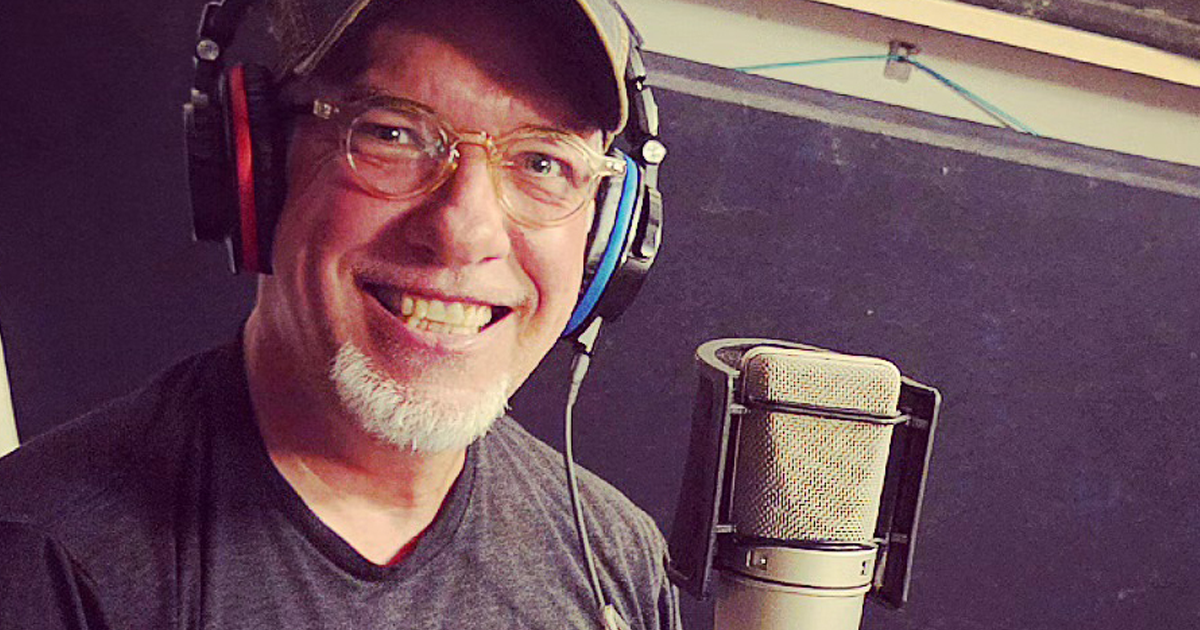
Your engineer will walk you through the space, get you set up in the booth, and run a quick mic check. This usually takes 10–15 minutes. You’ll hear yourself in headphones, adjust the volume to a comfortable level, and do a short test read so the engineer can set levels.
First-time studio clients are often surprised by how quiet a properly treated booth is. You’ll hear things in your own voice you’ve never noticed before — mouth clicks, breath patterns, the subtle rhythm of your speech. That’s normal. Give yourself a few minutes to settle in.
The Recording Process
At Untold Stories, the process is designed to be efficient and low-stress.
Step 1: Record a full chapter straight through If you make a mistake, don’t stop mid-phrase. Back up to the beginning of the sentence or phrase and start from there. The rule is simple: finish the thought, back up, start clean. This gives the engineer a clean edit point and cuts editing time significantly — there’s always a full, clean run to work with rather than fragments that need to be pieced together.
Minor stumbles are completely normal and expected. Don’t let them break your focus — that’s what the editing pass is for.
Step 2: Playback and punch-in corrections After the chapter, you and your engineer play it back together — at normal speed or up to 2x speed to move faster. When you hit a line that needs fixing, you punch in and re-record only that section. No need to redo the whole chapter.
Two steps per chapter, repeated until the book is done. This method keeps sessions moving and results in clean, edit-ready files by the end of each session.
What the engineer does while you record:
- Monitors levels to prevent clipping
- Flags problem takes in real time
- Adjusts EQ and compression to optimize your voice
- Notes timestamps of mistakes for the playback pass
At Untold Stories, recordings are captured through a Neumann U87 microphone — the industry standard for voice recording — into Neve preamps, which add warmth and clarity that budget gear simply can’t replicate.
How Long Will It Take?
A common benchmark: 1.5–2 finished hours of audio per recording hour in the studio.
That means:
- A 2-hour finished audiobook typically requires 3–4 hours of studio time
- A 5-hour finished audiobook typically requires 7.5–10 hours of studio time
- A 10-hour audiobook might take 15–20 hours of studio time
Sessions at Untold Stories have a 4-hour minimum. Most authors and narrators book multiple sessions spread across days or weeks rather than trying to record everything at once. Vocal fatigue is real — your performance in hour six sounds different than hour one.
Pacing tip: Many clients find that 4–6 hour sessions, booked 2–3 days apart, produce the best results. Your voice stays fresh and consistent across the recording.
After Recording: Mastering
If you’re publishing to ACX, Audible, Findaway Voices, or any other major platform, your audio files need to meet specific technical standards before submission. This is where mastering comes in.
What mastering does:
- Normalizes loudness to platform standards (-18 to -23 LUFS RMS)
- Removes background noise and optimizes room tone
- Controls peaks so nothing clips (-3 dB maximum)
- Formats files correctly (MP3, 192 kbps CBR, 44.1 kHz)
- Verifies ACX compliance so your submission isn’t rejected
At Untold Stories, mastering is $150 per finished hour of audio. Because our recording process produces clean, edited files, mastering is a purely technical step — no additional editing needed, no surprise extra costs.
Turnaround: Finished masters are delivered in 5–15 business days.
If your files are rejected by a platform for technical reasons, unlimited revisions are included.
The Full Timeline: Start to Publish
Here’s what a typical audiobook project looks like from booking to delivery:
| Phase | Time |
| Consultation + booking | 1–3 days |
| Recording sessions | 1–4 weeks (depending on book length) |
| Mastering | 5–15 business days after recording |
| Platform submission | Same day as delivery |
| Platform review (ACX) | 1–2 weeks |
For a 5-hour audiobook, expect roughly 4–6 weeks from first session to live on Audible.
Common First-Timer Questions
“What if I make a lot of mistakes?” Everyone does. That’s what the punch-in process is for. Your engineer has heard it all — stumbles, re-reads, false starts. It’s completely normal and factored into the session time.
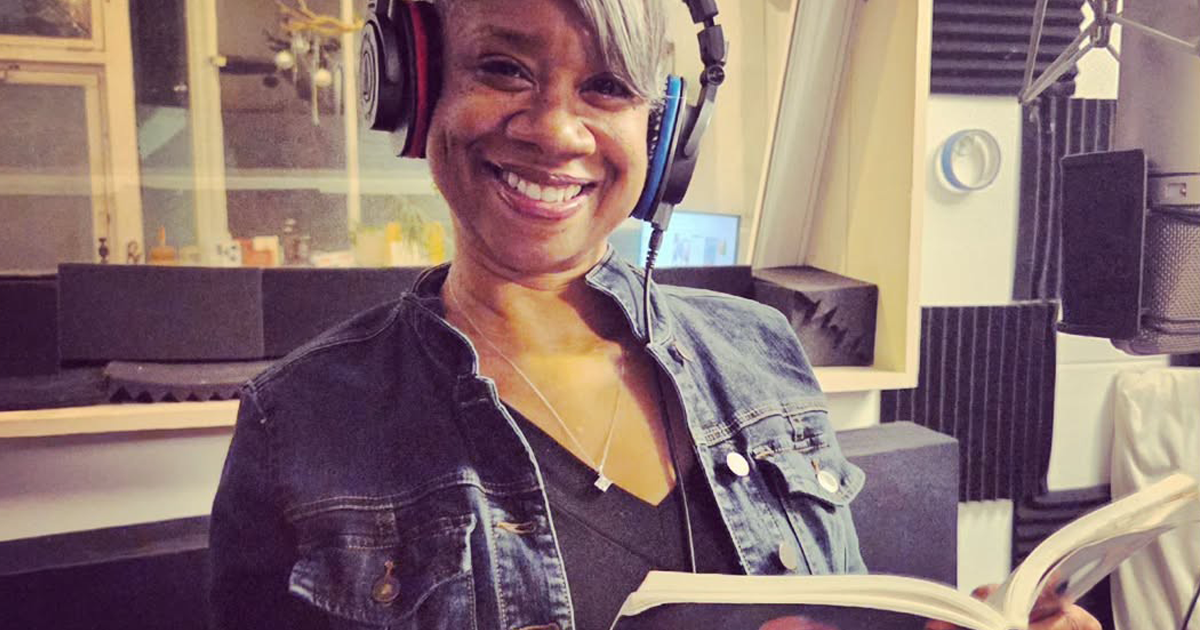
“Do I need to memorize my script?” No. Most authors and narrators read from a script. Whether you use a printed copy or a tablet on a stand in the booth, either works fine.
“What if my voice gives out?” It happens. If you’re losing your voice mid-session, it’s better to stop and reschedule than to push through and end up with inconsistent audio quality across chapters. Stay hydrated and take breaks.
“Can I hear myself while recording?” Yes — you’ll monitor through headphones in the booth. The engineer controls the mix so you can hear yourself clearly without feedback.
“What format will my files be in?” For ACX/Audible submission: MP3, 192 kbps CBR, 44.1 kHz. If you need a different format for another platform, just let your engineer know.
Ready to Get Started?
Untold Stories Recordings is a professional audiobook recording studio in Chicago’s Pilsen neighborhood at 1007 West 19th Street. With 185 five-star Google reviews and experience working with authors publishing on ACX, Audible, and independent platforms, we’ve guided first-time narrators and seasoned authors through the same process.
The first step is a free 15-minute consultation — no pressure, just a chance to talk through your project, timeline, and budget.
Call (872) 444-6316 or reach out online to schedule your consultation.