How to Prep Your Manuscript Before Your First Audiobook Session at a Chicago Recording Studio
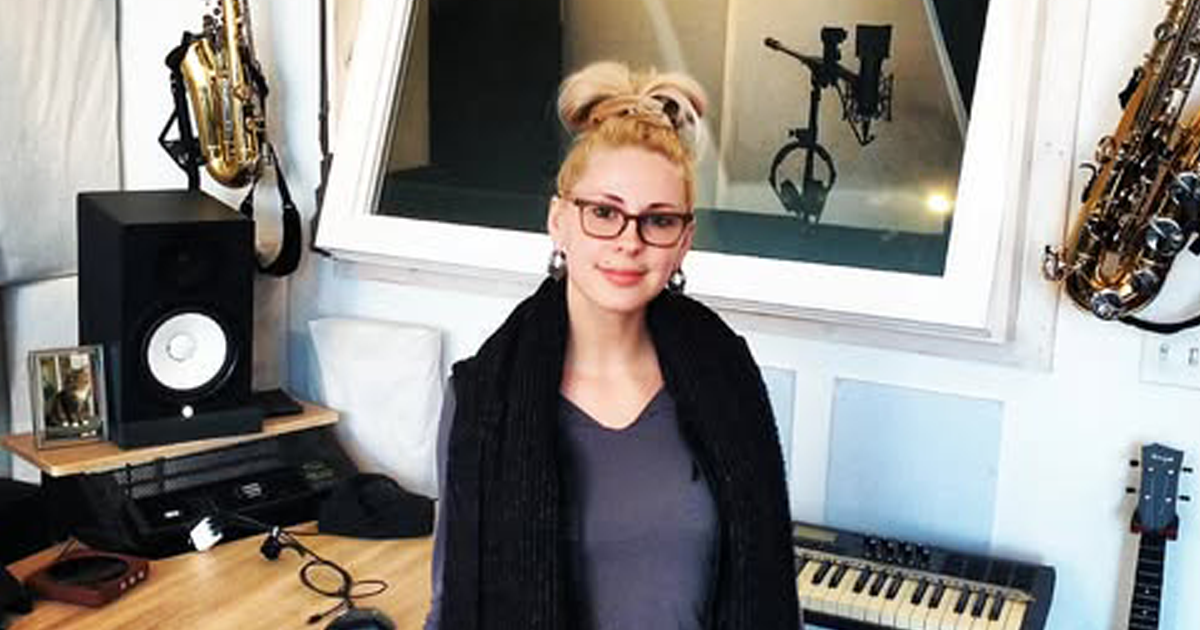
The best audiobook sessions at my Chicago recording studio start before the author walks in the door. When the manuscript is prepped, studio time goes to reading. Without prep, it goes to stopping mid-chapter to sort things out. Here’s what I ask authors to do before session one.
Finish the Book Before You Record It
Record the final version of your book. Any sentence you change after it’s recorded becomes a pickup, and pickups are booked like any other session, with my 4-hour minimum. Lock the text first: final edits, proofreading, chapter order. If your print or ebook edition is still with a copyeditor, wait for it to come back. Recording a draft and fixing it later costs more than waiting two weeks.
Know Your Word Count
Your word count drives everything else: how long the finished audiobook runs, how many sessions to book, and what it costs. Finished audiobooks run about 7,800 to 9,000 words per hour. Studio time runs 2 to 3 times the finished length, because it includes retakes and corrections.
To see your numbers, put your word count into my audiobook cost calculator. It turns your word count into finished hours and studio time, then prices it out at $50 an hour for recording and editing and $150 per finished hour for mastering.
What Does It Cost to Record an Audiobook?
of audio
—
$150 per finished hour
Recording, editing, and mastering — ACX compliance included
The calculator estimates finished audio length at 7,800–9,000 words per finished hour — a realistic range that accounts for natural narration pace variation. Recording and editing runs 2–3× the finished hour estimate in studio time at $50/hr. Mastering is billed at $150 per finished hour. Both are broken out separately in the event you have your own mastering engineer and only need recording as a service.
Call for a Free ConsultationMake a Pronunciation List
I don’t read your manuscript ahead of time. I hear your story for the first time while you record it, and again while I edit. That works in your favor, because I hear the book the way a listener will. A word that sounds wrong stands out, and I’ll call out mispronunciations when I hear them.
But I can’t know how you want your main character’s surname said, or the name of the town your grandmother grew up in. Before session one, list every name, place and term that has a specific pronunciation, and spell each one out phonetically. Include real names and places, not just invented ones. Read the list out loud a few times at home so chapter 30 sounds the same as chapter 1.
Write Out Your Front and Back Matter
ACX requires opening and closing credits, which at minimum give the title, author and narrator. Write both out word for word before your first session. Then decide which of the rest you’ll read: dedication, introduction, epilogue, acknowledgments. These sections are easy to forget because they aren’t part of the story, and recording them later means another trip to the studio.
Bring Your Manuscript on Your Own Device
Bring your manuscript on your own laptop, Kindle or tablet. Load the final version before you come in and charge the device, so the session can start with reading.
Practice Reading Out Loud
Anyone can narrate their own book. What changes from author to author is how long it takes, and that mostly depends on how comfortable you are reading out loud. If you don’t have public speaking or performing experience, the best prep is reading a full chapter out loud at home, start to finish, without stopping.
While you practice, build the habit that will save you the most time in the studio. When you stumble, don’t stop mid-phrase. Back up to the start of the sentence and read it again clean. That gives me a clean edit point, and it’s the core of how my sessions run.
Expect your voice to tire before your focus does. Four hours is my minimum and a good first session. Most authors can go longer as the book goes on.
Plan How You’ll Send Notes
After a session, you’ll listen back and find lines you want to change. Write every note with the chapter, the timestamp and the exact words. A note that says “fix ‘for me'” with no timestamp has to wait until we track it down together.
On one recent book, the author sent 47 timestamped notes across 64 chapters. I sorted them into two groups. Repeated phrases and long gaps I fixed in the edit without the author. Lines that needed new words or a different read went on a list, and the author re-recorded them back to back in one session. Clear notes are what make that sorting possible.
Why Prep Matters for ACX
ACX checks loudness, peaks and noise floor on every file. The most common reason books get rejected is the noise floor, which ACX’s own Audio Lab doesn’t measure. Prep can’t fix a noisy room, but it does mean fewer retakes and pickups to blend into the finished book.
What to Bring to a First Conversation
Call me with your word count and genre, and let me know how much reading-out-loud or performing experience you have. Have your pronunciation list started, even if it’s rough. With that, I can estimate your studio time and plan your first session.
Getting Started
Untold Stories Recordings is Chicago’s #1-rated and most-reviewed recording studio, with a 5.0 rating across 200+ reviews. Call the studio at 872-444-6316 to talk through your book.